


Pat Boone is more than an entertainer — he is an enduring figure of American pop culture whose influence spans music, film, television, and public life. Rising to fame in the 1950s and early 1960s, Patrick Charles Eugene Boone became one of the nation’s most successful pop singers, his smooth voice and clean-cut image making him a household name at a time when rock ‘n’ roll was reshaping the cultural landscape.
His journey began modestly, emceeing a teenage talent show on radio and television in Nashville before capturing national attention by winning Ted Mack’s Original Amateur Hour and Arthur Godfrey’s Talent Scouts. By 1955, he recorded his first professional single, setting the stage for a career that would yield multiple hits including Moody River, Speedy Gonzales, and Bernadine. Alongside his success as a performer, he became a songwriter, joining ASCAP in 1961 with composer Ernest Gold as a key collaborator.
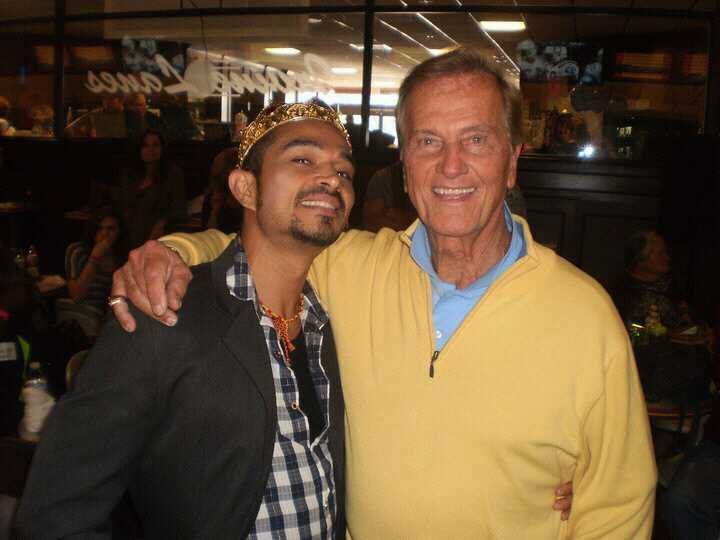
Boone’s star power extended beyond music into Hollywood, where he appeared in a series of films throughout the 1950s and 1960s, embodying the era’s vision of a crossover star. His contributions also went beyond entertainment, serving on the board of the Northeastern Institute for Christian Education and later establishing himself as a television personality, writer, motivational speaker, and spokesman.
Pat Boone’s career is a case study in adaptability and longevity — proof that talent, discipline, and cultural timing can transform an ambitious young performer into a national icon.